

“The ROI of Happiness” : Why Investing in Well-being Pays Off
In today’s fast-paced world, organizations often focus on metrics like revenue, productivity, and efficiency. But there’s one factor that consistently drives all of these—employee happiness. Research shows that when people feel valued and fulfilled, they perform better, innovate more, and stay longer. Let’s explore why happiness isn’t just a “nice-to-have”—it’s a strategic investment.
1. Happiness Boosts Productivity
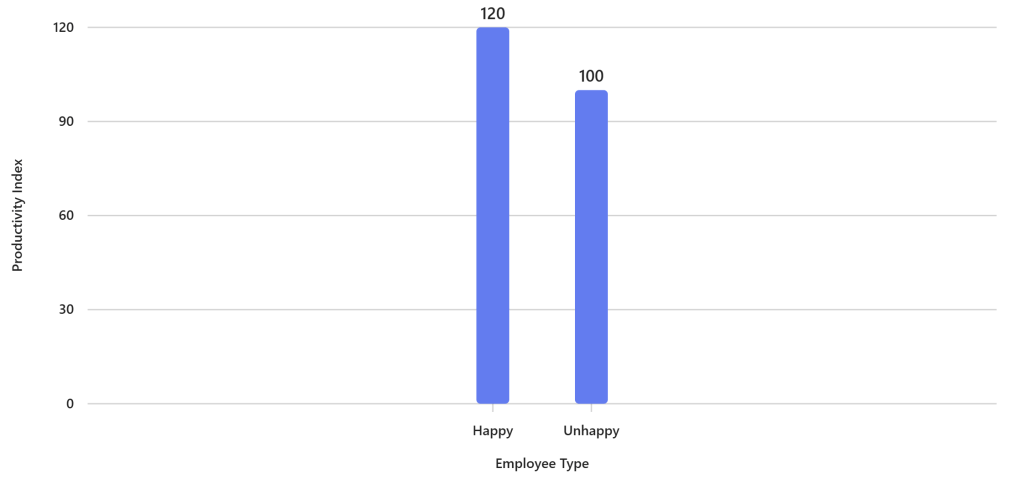
Studies reveal that happy employees are up to 20% more productive than their less satisfied peers. When individuals feel positive and engaged, they approach tasks with energy and creativity, leading to better outcomes and faster problem-solving.
Productivity comparison
2. Reduced Turnover = Cost Savings
Replacing an employee can cost 1.5–2 times their annual salary. By fostering a culture of happiness, companies reduce attrition, saving thousands in recruitment and training costs while maintaining team stability.
Cost breakdown of turnover savings

3. Healthier Teams, Lower Absenteeism
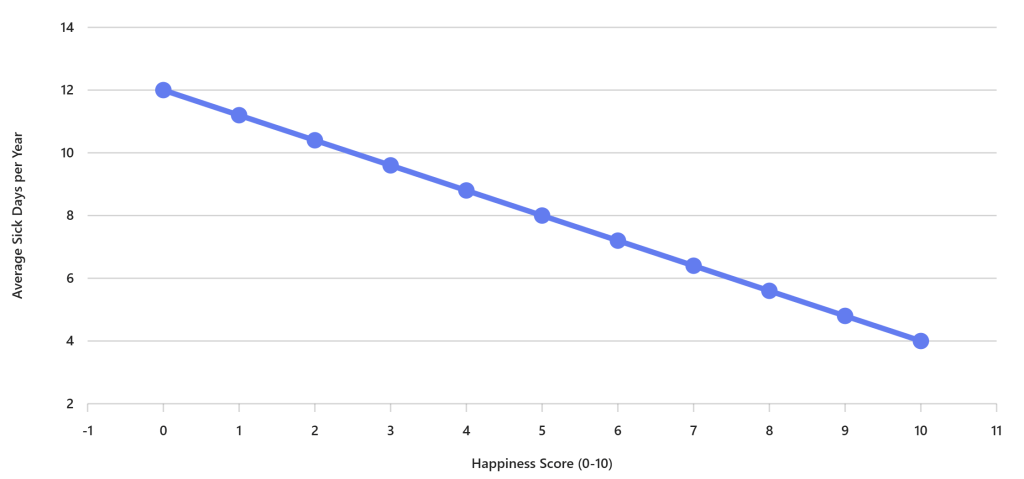
Happiness correlates with better mental and physical health. Happier employees take fewer sick days, reducing absenteeism and healthcare expenses. This translates into a healthier bottom line.
Absenteeism reduction vs happiness score
4. Stronger Customer Experience
Happy employees create happy customers. When your team feels good, they deliver exceptional service, which drives loyalty and repeat business—key factors in long-term growth.
How to Invest in Happiness
- Recognise and reward achievements—big or small.
- Encourage work-life balance through flexible schedules.
- Provide growth opportunities to keep employees motivated.
- Create a positive environment where feedback is valued.
Bottom Line: Happiness isn’t just about smiles—it’s about measurable returns. When you invest in well-being, you invest in performance, retention, and profitability.
Life Success Story: How Happiness Transformed a Career
Meet Sophie, a mid-level manager who once struggled with burnout and disengagement. Her company introduced a well-being program focused on recognition, flexible work, and personal growth. Within six months:
- Sophie reported a 40% increase in job satisfaction.
- Her team’s productivity rose by 18%.
- She earned a promotion and became a mentor for others.
Sophie’s story proves that happiness isn’t just personal—it drives professional success and organisational growth.
 optiviseonline.com
Leave a comment